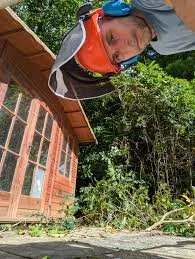
Kevin Hare is a professional horticulturist and the founder of
Totnes Gardening, a landscape and garden maintenance business based in South Devon.
Professional Background
Experience: He has over 20 years of horticultural experience working in the Devon area.
Training: His career began at the prestigious Dartington Hall Gardens, where he developed a philosophy of treating gardens as "living systems" rather than just spaces to maintain.
Business: He operates Kevin Ian Hare Limited (Company No. 15593821), providing services to town courtyards in Bridgetown and larger country estates in Staverton.
Specialisations & Eco-Focus
Quiet Gardening: A signature feature of his service is a commitment to low-impact landscaping, exclusively using professional battery-powered tools to reduce noise pollution by up to 70%.
Ecological Projects: He specialises in wildflower meadows, rewilding, and increasing biodiversity to create corridors for local wildlife.
Design Styles: His expertise includes Japanese gardens, wildlife ponds, cottage gardens, and organic landscaping.
Operations & Credentials
Maintenance: Offers a full range of services including hedge trimming, grass cutting, and seasonal "lifesaver" garden clearances.
Waste Management: He is a registered Environment Agency Waste Carrier (CBDL612576), ensuring all green waste is legally removed and composted.
Reviews: Clients frequently highlight his reliability, knowledge of local soil/climates, and ability to work through challenging weather.
See pricing details for his maintenance packages or a list of local nurseries he recommends?
Kevin Hare provides transparent pricing for his horticultural services, emphasizing that clients are paying for a professional manager with over 20 years of experience rather than a basic laborer.
Service Pricing & Packages
Totnes Gardening structures rates based on the complexity of the work:
Standard Horticultural Rate: £35 per hour for services including pruning, diagnosing plant health, garden design, and general maintenance.
Specialist Services: £35 to £45+ per hour for complex projects such as structural rewilding, glasshouse maintenance, or bespoke garden design.
Custom Packages: He offers tailored contracts for both one-time garden clearances (often called "Lifesavers") and regular monthly maintenance schedules.
Preferential Rates: Discounts or "preferential rates" are available for customers who secure regular maintenance slots (weekly or fortnightly) or book seasonal work in advance.
Recommended Local Nurseries
Kevin sources plants and seeds from several high-quality suppliers in the South Hams area, as highlighted in his Top 5 Garden Centres guide:
Kevin Hare’s "Totnes Mix" is a bespoke selection of native wildflower species specifically chosen to thrive in the South Devon climate and support local pollinators like bees, butterflies, and moths.
Plant Name
Key Role & Characteristics
Yellow Rattle
The most critical species; semi-parasitic, it suppresses vigorous grass to allow other flowers to thrive.
Oxeye Daisy
Provides tall, cheerful stems that flower from June to August.
Red Campion
A robust and reliable choice that adds splashes of early pink colour.
Common Knapweed
A purple favorite for pollinators that performs well even in shaded areas.
Viper's Bugloss
Features stunning spikes of blue, ideal for sunny and dry garden spots.
Selfheal & Meadowsweet
Vital nectar sources that thrive in the damper corners of a garden.
Additional Recommendations
Beyond the primary wildflower mix, Kevin often incorporates other plants based on the garden's specific style or needs:
For Year-Round Texture: He recommends architectural choices like Fatsia japonica 'Spider's Web' for shady corners and Salvia 'Amistad' for late-season purple flowers that attract pollinators through November.
For Town Gardens: Low-maintenance, fragrant options such as lavender, rosemary, and hardy geraniums are frequently suggested to clients in urban Totnes settings.
For Birds: He advises leaving seed heads on plants like sunflowers and teasels over the winter to provide a crucial food source.
Climbers: To soften stone walls and create a "cottagey" feel, he suggests clematis or jasmine.
Kevin Hare’s curated lists focus on high-performance species that thrive in the heavy clay soil and mild, damp climate of South Devon.
The "Totnes Mix" (Wildflower Meadow)
This bespoke native seed mix is designed to create self-sustaining ecological corridors:
Plant Name
Role & Characteristic
Yellow Rattle
The "engine" of the meadow; suppresses grass to let flowers grow.
Oxeye Daisy
Provides tall, cheerful white blooms from June to August.
Red Campion
A robust choice that adds early-season pink color.
Common Knapweed
A purple pollinator favorite that handles partial shade well.
Viper’s Bugloss
Offers stunning blue spikes for sunny, free-draining spots.
Selfheal & Meadowsweet
Vital nectar sources for damp corners of the garden.
Town Garden "Essentials"
For compact urban spaces and courtyards, Kevin recommends low-maintenance, fragrant plants:
Herbs: Lavender and Rosemary for scent and drought tolerance.
Flowers: Hardy Geraniums for reliable, season-long ground cover.
Climbers: Clematis or Jasmine to soften stone walls with a "cottage" feel.
"What's in the Trolley" (Kevin's Recent Favorites)
Based on his latest local nursery hauls, Kevin is currently using these for texture and contrast:
Fatsia japonica 'Spider’s Web': Variegated foliage to brighten shady spots.
Salvia 'Amistad': Deep purple flowers that can last until November in South Devon.
Heucheras & Cyclamen: Reliable "winter workhorses" for container color.
Would you like the planting instructions for the wildflower mix or a list of tools Kevin recommends for a quiet garden?
Kevin Hare’s
Totnes Gardening follows a specific "low-impact" methodology for both planting and maintenance to protect local ecosystems.
Wildflower Planting Instructions
Kevin emphasizes that "preparation is everything" and follows a three-step "Reset, Sow, Tread" process:
The Reset: Strip back existing grass and weeds to create a clean, low-nutrient seedbed. Wildflowers thrive in "tough" conditions and can be choked by fertile soil or aggressive grass.
The Sowing: Mix native seeds with dry silver sand to ensure even distribution. Hand-sow the mixture, ensuring it includes Yellow Rattle to naturally suppress future grass growth.
The Tread: Lightly rake the seed and then firmly tread it down into the soil. Vital soil contact is required for germination, but the seeds should not be buried deep.
Timing: For best results, sow in early spring (March) or early autumn (September).
Quiet Gardening: Tool List
Kevin’s Quiet Gardening approach relies on professional battery-powered equipment to reduce noise pollution by up to 70%.
Lawn Care: High-torque cordless mowers that operate without petrol fumes or loud engine roars.
Hedge Maintenance: Silent battery-powered trimmers for neat edges without disturbing neighbors or local wildlife.
Specialist Tools: Professional electric pruners for precision work on woody plants and thick branches.
Cleanup: Quiet leaf blowers used selectively to clear paths and keep lawns healthy without the high-pitched whine of petrol versions.
Precision Pruning: High-quality secateurs and loppers (often bypass style) for clean cuts that promote plant healing.
By using these tools, Kevin can monitor wildlife—like robins and hedgehogs—while he works, ensuring they aren't harmed by heavy machinery.
Would you like to see Kevin's guide to seasonal garden clearances or more information on his wildlife pond designs?
Kevin Hare views garden clearances and pond design as the "foundations" of a healthy garden. Here is how he approaches these essential transformations:
Seasonal Garden "Lifesaver" Clearances
Kevin offers a Garden Clearance service (often called the "Lifesaver") to reclaim overgrown spaces.
The Triage: He assesses which plants are valuable "survivors" and which invasive species (like brambles or bindweed) need removal.
Green Waste: As a registered Waste Carrier, he ensures all debris is responsibly removed and composted.
Soil Health: He focuses on clearing the ground while preserving the soil structure and avoiding damage to dormant bulbs.
Timing: These are most popular in late winter (to prep for spring) and late autumn (to tidy before the frost).
Wildlife Pond Design & Installation
Kevin creates Wildlife Ponds designed to be low-maintenance and high-biodiversity:
Beach Access: Every design includes a shallow "beach" or sloped edge to allow frogs, hedgehogs, and birds to enter and exit safely.
Layered Planting: He uses a mix of Oxygenators (to keep water clear), Floating plants (to reduce algae-causing light), and Marginals (for frog cover).
Placement: He advises placing ponds in partial sun—too much sun causes algae blooms, while too much shade prevents lilies from flowering.
Eco-Balance: He discourages adding fish to wildlife ponds, as they often eat the tadpoles and dragonfly larvae you want to attract.
The "Living System" Strategy
Whether clearing a patch or digging a pond, Kevin’s goal is to turn the garden into a habitat corridor. He often combines a clearance with the immediate sowing of his wildflower mix to ensure the reclaimed ground isn't taken over by weeds again.
Would you like to check Kevin's current availability for a consultation, or should we look at his advice for composting in small spaces?
Kevin Hare advises that successful composting relies on balancing "greens" and "browns," maintaining moisture, and aerating the pile, all of which are possible in small garden spaces
The Composting "Recipe"
The core of Kevin's advice is a balance of nitrogen and carbon materials.
"Greens" (Nitrogen-rich): These are fresh materials that provide the nitrogen needed for the microorganisms to work. Examples include:
Grass clippings (use sparingly to avoid a slimy mat).
Fruit and vegetable scraps, coffee grounds, and teabags.
Annual weeds and green plant prunings.
"Browns" (Carbon-rich): These dry materials provide structure and carbon. Examples include:
Dry leaves, straw, and wood chips.
Shredded newspaper and cardboard (remove any tape).
Shredded woody prunings.
Balance: Aim for a 3:1 ratio of browns to greens. Too many greens cause a smell, while too many browns slow the process down.
Essential Techniques
Aeration: The microorganisms need air to work efficiently. Turn the compost pile every few weeks with a fork to mix the contents and prevent anaerobic conditions which cause odors.
Moisture: The compost should feel like a wrung-out sponge—damp, but not soaking wet. Add water if it's too dry, or more browns if it's too wet. A cover can help regulate moisture from rain.
Chop it up: The smaller the pieces, the faster they will break down. Running a lawnmower over leaves before adding them can speed up decomposition.
Location: Place the bin in a sheltered spot in partial or full shade to maintain consistent conditions. Standing it on soil allows beneficial organisms access.
What to Avoid
Meat, Dairy, and Oils: These attract pests and take a long time to break down.
Pet Waste: Can contain harmful bacteria.
Diseased Plants/Weeds with Seeds: If your compost does not reach high temperatures (which most home bins don't), these will not be killed off and can spread to your garden.
Kevin emphasizes that having a compost solution on-site reduces reliance on external waste disposal and creates nutrient-rich soil for your own garden.
Totnes Gardening Blog, where he documents his day-to-day work and the specific horticultural needs of the South Devon area.
Latest Insights & Advice (2026)
The "Robins" Observation: Kevin recently noted how his Quiet Gardening approach (using battery tools) allows him to work alongside local wildlife; he frequently observes robins following him to feed on insects disturbed during maintenance.
Estate "Lifesavers": He highlighted a major project where an unloved, overgrown garden was transformed in a single day to add "positive value" back to a property before a sale.
Deep Cleaning: His latest winter advice includes "deep cleaning" greenhouse glass panes to maximize light for early spring seedlings.
Seasonal Jobs (Spring 2026 Focus)
As we enter the new horticultural year, Kevin's recommendations include:
Project Planning: Using the colder weeks of early February to dream up new projects and order seeds for ornamental and edible crops.
Winter Fragrance: He identifies Hamamelis (Witch Hazel) as a standout plant for this time of year due to its exquisite scent.
Wildlife Support: Continuing to feed birds and providing floating balls in fish ponds to keep air holes open if the surface freezes.
Recent Business Updates
Full Incorporation: His business is now formally registered as Kevin Ian Hare Limited (based in Winsland Avenue, Totnes) as of early 2024.
Community Contribution: Beyond gardening, Kevin has been credited by BBC News for providing breaking news footage of local events in Totnes.
Would you like to explore Kevin's specific video guides for pruning or his top 5 favorite local nurseries in more detail?
Kevin’s
latest video content and regional guides focus on practical "how-to" tips specifically for the South Hams climate.
Kevin’s Pruning "Masterclass" Tips
While he often shares live demonstrations on-site, his core pruning philosophy covers three main areas:
The "Three D's": Every pruning job starts by removing anything Dead, Damaged, or Diseased to prevent rot from spreading.
The "Quiet" Cut: He uses professional-grade battery secateurs for a cleaner, faster cut that causes less stress to the plant and less noise for the gardener.
Late Winter Focus: Currently (February), he is advising on "hard pruning" for late-summer flowering shrubs like Buddleia and Cornus (dogwood) to encourage vibrant new growth.
Roses: He recommends pruning now to an outward-facing bud to create an "open goblet" shape, which improves airflow and reduces blackspot.
Top 5 Local Nursery Deep-Dive
Kevin selects these specifically for their plant health and local suitability:
Longcombe Cross Garden Centre: His "go-to" for reliable seasonal bedding and high-quality peat-free compost.
New Wood Trees: A specialist nursery he recommends for "architectural" multi-stem trees that create an instant impact in larger gardens.
Fermoy’s Garden Centre: Best for variety; Kevin notes their indoor area is excellent for sourcing house plants during the wet Devon winters.
Gardentime: Located near Dartmouth, he values this spot for its selection of "coastal-hardy" plants that can withstand salty winds.
The Potting Bench: A local Totnes favorite for boutique plants and expert advice on smaller urban "indoor jungles."
Kevin's "Pro Tip" for February 2026
"Don't be tempted to tidy up too much yet. Leave those hollow stems and leaf piles a little longer—they are still home to hibernating ladybirds and lacewings that will eat your aphids in the spring!"
Would you like to see a step-by-step guide for a specific plant, or would you like to view Kevin's portfolio of transformed Totnes gardens?
Kevin’s portfolio showcases a transition from
overgrown "jungles" to structured, ecological havens. His online gallery features transformations ranging from Bridgetown courtyards to Staverton country estates.
Portfolio Highlights: Before & After
The "Town Lifesaver": A transformation of a dense, bramble-choked Totnes terrace into a clean, low-maintenance courtyard with raised beds and slate paths.
The Staverton Wildflower Meadow: A large-scale project where an unproductive lawn was "reset" and replaced with the native Totnes Mix, now teeming with bees and butterflies.
Architectural Edges: Portfolio shots showing "clean-line" hedge trimming using silent battery tools, achieving sharp aesthetics without disturbing the peace.
Winter Structure: Recent photos of Japanese-style gardens featuring carefully pruned Acer trees and stone features that provide visual interest even in February.
Step-by-Step Guide: Pruning Clematis
As it's early February, Kevin is currently performing "Group 3" Clematis pruning. Here is his professional method:
Identify the Group: Group 3 (late-bloomers like C. viticella) needs a hard prune now.
The Low Cut: Cut all stems back to approximately 30cm (1 foot) above the ground.
The Bud Check: Ensure you cut just above a healthy-looking pair of buds.
Clear the Old: Pull away the old, dead tangles to make room for vigorous new spring growth.
Mulch: Apply a thick layer of compost or well-rotted manure around the base to keep the "feet" cool and fed.
Viewing the Full Portfolio
You can view high-resolution images of his work and recent "day in the life" snapshots on the official Totnes Gardening blog.
Would you like Kevin's contact details to book a consultation, or should we look at his top 3 tips for sustainable lawn care?
sustainable lawn care approach focuses on moving away from "green deserts" toward lawns that support local biodiversity while remaining functional.
Kevin’s Top 3 Sustainable Lawn Tips
Starve the Soil (The "Wildflower Edge"):
To encourage wildflowers and clover, Kevin advises clearing all clippings after mowing. Wildflowers thrive in lean, low-nutrient soil; leaving clippings adds nitrogen, which fuels aggressive grasses that choke out delicate blooms.Mow with "Cues to Care":
Rewilding shouldn't look messy. Kevin suggests mowing clean edges or "framing" wildflower patches with short-cut paths. This "Cues to Care" method signals the garden is intentionally managed for wildlife rather than neglected.Switch to "Quiet Gardening":
Kevin exclusively uses professional battery-powered mowers which reduce noise by 70% and eliminate petrol fumes. This protects the "peaceful sanctuary" of the garden and allows him to work closely with wildlife, like robins, who are not scared off by the machines.
Seasonal "Lawn Life" Guide
February Action: Do not tidy up leaf piles or hollow stems yet; they are still winter homes for ladybirds and lacewings that will provide natural pest control in spring.
The "Clover Option": For drought resistance, Kevin recommends clover lawns or mixed species that stay green in dry Devon summers without constant watering.
Strategic Mowing: He mimics historical grazing by cutting shorter in early spring to weaken fast-growing grasses, giving Yellow Rattle and other meadow flowers a chance to break through.
These articles detail how to strategically mow and manage soil to encourage wildflowers and clover for a more biodiverse lawn.
Kevin’s recommended watering schedule for newly laid turf, or his top 3 organic fertilizer alternatives
Kevin’s approach to establishing and maintaining greenery focuses on water efficiency and soil biology rather than chemical fixes.
Watering Schedule for New Turf
Kevin emphasizes that newly laid turf needs deep soaking to encourage roots to move downward into the soil.
Days 1–7: Water daily (ideally early morning or late evening). Use enough water so that it soaks through the turf and into the soil beneath.
Days 8–14: Water every other day, unless there is heavy rain. Pull up a corner of the turf to check if white "anchor roots" are starting to knit into the soil.
Week 3 onwards: Gradually reduce to twice a week.
Kevin’s Pro Tip: Avoid frequent light sprinklings; this keeps roots at the surface, making the grass vulnerable to the next dry spell.
Top 3 Organic Fertilizer Alternatives
Kevin advocates for organic landscaping that feeds the soil, not just the plant.
Homemade "Compost Tea": Steep a burlap sack of well-rotted compost in a bucket of water for 48 hours. Use the resulting "tea" to give plants a gentle, nutrient-rich boost without the risk of chemical burn.
Seaweed Extract: A favorite in South Devon due to its local availability. It acts as a bio-stimulant, strengthening plant cell walls and increasing resistance to pests and frost.
Green Manures: Instead of store-bought pellets, Kevin suggests sowing crops like Clover or Phacelia in empty beds over winter. They "fix" nitrogen in the soil naturally; you simply dig them back in before planting your spring crops.
Would you like to view Kevin's availability for a garden assessment, or shall we look at his guide for coastal-hardy plants suited for the South Hams?
Kevin’s guide for coastal-hardy plants focuses on species that can withstand the salt-laden winds and sandy soils typical of the
South Hams coastline.
Kevin’s Coastal-Hardy "Survivor" List
For gardens exposed to sea spray and high winds, Kevin recommends plants with tough, waxy, or silver foliage that naturally resists desiccation:
Fatsia japonica 'Spider’s Web': A top pick from his recent Longcombe Cross haul; its variegated leaves are tough enough for Devon winters and add a tropical feel to sheltered coastal spots.
Salvia 'Amistad': Known for its deep purple flowers, Kevin notes it can flower into November in the mild South Hams climate, provided it has some wind protection.
Sea Thrift (Armeria maritima): A native classic that thrives in "shifting ground" and salty air.